Update on Agency’s beef product survey
The FSA has confirmed results for four of the remaining five samples relating to the Agency’s UK-wid…
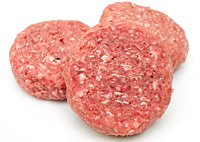 The FSA has confirmed results for four of the remaining five samples relating to the Agency’s UK-wide sampling programme of beef products. All five of the products were withdrawn from sale following receipt of the first test results.
Two of the four samples have been found to contain horse DNA at or above the 1% threshold for reporting. Neither product was found to contain the veterinary drug bute (phenylbutazone) or pig DNA.
Products confirmed as containing horse meat above 1%
• Burger: purchased from Nefyn Pizza & Kebab House in Gwynedd and manufactured by the Burger Manufacturing Company (BMC)
• Beefburger: purchased from Pig Out in Walsall and manufactured by King Fry Meat Products Ltd
The two other samples, which did not contain horse DNA, were also tested for the presence of pig DNA. These results have now been confirmed as below 1%. Neither product was labelled as halal or kosher. This leaves one result still to be reported.
Separately, on 26 March, the Agency advised that a Whitbread burger had tested positive for horse DNA above 1%. The FSA has now received further test results that have confirmed the level of DNA to be under the reporting threshold. However, Whitbread will remain on the list of brands named on the FSA’s consumer advice webpage (which can be accessed via the link on the right) as it has reported other positive results as part of the testing carried out by the food industry.
The Food Safety (Sampling and Qualifications) (England) Regulations 2013 and parallel legistation in Scotland, Northern Ireland and Wales, made under the Food Safety Act 1990, specify the procedures to be followed when a sample is analysed. The regulations also detail the role of the Government Chemist.
Formal samples consist of three identical parts:
• The first is sent by the local authority to the Public Analyst for testing. There are three possible elements of this phase of testing – the initial screening test and, if the presence of either horse or pig DNA is confirmed, a further test to confirm the quantity of the DNA. The final test would be to check for the presence of bute. If the screening test is negative, no further tests are needed at this stage.
• The second part of the sample may be sent by retailers or manufacturers for their own independent tests.
• Where there is a disparity in the two results, or the original result is disputed, the remaining sample is sent to the independent Government Chemist (in LGC) for a final test and an analysis of the methodology in the two previous tests. This is to try and determine why there may have been different results. The Government Chemist issues a certificate of analysis, which may or may not confirm the original test results, and can be used as evidence in legal proceedings.
These regulations ensure a fair, formal and representative process which allows businesses the opportunity to challenge the results.
Further analysis may be carried out on these samples at a later stage. However, the Government Chemist has advised the FSA that even if further analysis were undertaken it would be very unlikely that the findings would reverse or alter their opinions on the certificates already issued.