BlackSpot treatment gives prawns quality boost
Used as an alternative to Sodium metabisulphite, Prawfresh Plus has been successfully used to preven…
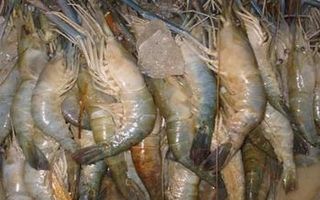 Used as an alternative to Sodium metabisulphite, Prawfresh Plus has been successfully used to prevent melanosis (blackspot) onset in harvested prawns (Nephrops norvegicus).
Sodium metabisulphite has traditionally been used in Denmark (and other parts of the world) as a treatment for melanosis, but there are concerns over its use, given that it can corrode expensive processing equipment and can be unpleasant for fishermen and processors to work with.
There is well-documented evidence that sulphite based treatments are hazardous to the health of processing workers because the sulphur dioxide fumes released during treatment can harm operators’ airways and lungs.
The melanotic blackening of harvested prawns is a harmless and natural condition, but it does affect the appearance of the shellfish, which in turn can make marketing difficult and increases the reject rate.
Donald Kristensen, managing director of seafood processor Royal Fish Denmark A/S, says he has noticed a big improvement in the welfare of his processing employees after switching from sodium metabisulphite to Prawnfresh Plus. In addition, Prawnfresh Plus is more effective at preventing melanosis than metabisulphite.
Mr Kristensen says: “In our subsidiary company Arne Jørgensen & Søn in Strandby we treat more than 150 tonnes of langoustine every year. About two and half years ago we started utilising Prawnfresh Plus in our production process and right from the beginning we experienced a big difference compared to the bisulphite we had used before." The langoustines had a greatly enhanced appearance and kept their natural colour for much longer. They stayed firmer for longer too.”
Among the many fishing boats now using Prawnfresh Plus are the Lis Nordahl (H151), Fru Hansen (H14) and Christina Mortensen (H29), all based in Gilleleje, Denmark. They have been using Prawnfresh to treat their catches since June 2011 and all three skippers state that the treatment results in excellent looking langoustines that are clean and glossy, and which hold their natural colour well.
The skippers say they are very satisfied with Prawnfresh Plus because it is more pleasant to work with compared with metabisulphite and doesn’t irritate the nose and eyes of the fishing crew. It is also gentler on the production equipment with much less corrosion experienced.
In addition, it is easy to use and dose because it is a liquid treatment that doesn’t take up much storage space, which is very important in the limited confines of a fishing vessel.
The manager of HK Trading in Skagen, Hans Kristensen, says: “We have been using Prawnfresh for about a year and we are very pleased with the product.
Prawnfresh keeps the freshness of the langoustines for longer, they look better and the product is easier to dose and work with.
Furthermore we do not have the same deterioration on our equipment as we used to. Most importantly, our customers are delighted with the quality of our langoustines.”
This is a view supported by Klaus Dethlefsen, the manager of Bønnerup Fisk in Bønnerup. He says: “In the beginning of 2011 we went from using metabisulphite to Prawnfresh for treating langoustines in our production facility. The result is much better looking and longer lasting langoustine. Prawnfresh Plus is also much healthier to work with as it does not produce any irritant dust in the air that gets into your nose and eyes. We also like the fact that the metal parts in our production area don’t get worn and rusty as before.”
At the moment Prawnfresh Plus is used for treating langoustine catches from Skagen in the southern part of Jutland and across the country in Grenå, Bønnerup and in Gilleleje on Zealand.
“All these places are where the best langoustines in Denmark are being caught,” states Donald Kristensen. “This provides us with a leading position when it comes to the export of langoustine and fresh fish to the rest of Europe.”