New ingredient can lessen allergic reactions
In a step toward reducing the risk associated with peanut products, a team of scientists from North…In a step toward re
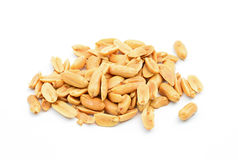 ducing the risk associated with peanut products, a team of scientists from North Carolina State University’s Plants for Human Health Institute has developed a food ingredient from peanut flour and cranberry extracts, among other plants, that they say has the potential to lessen the life-threatening allergic reactions brought on by peanut consumption.
Such a product might one day help people with allergies to develop a tolerance for peanuts, according to Dr. Mary Ann Lila, a lead researcher on the study with N.C. State’s Plants for Human Health Institute, noting that there’s no known cure for nut allergies, and they are on the rise.
A peanut allergy is a reaction that occurs when the body mistakenly identifies peanuts as harmful substances. The immune system – the body’s natural defence against infections and diseases – overreacts and can cause a serious or even life-threatening response ranging from mild itching and hives to anaphylactic shock, in which a person’s throat swells, making it difficult or impossible to breathe.
“Of the 170 foods that cause allergic reactions, peanuts can be the most dangerous,” said Lila. “Our research aim was to develop a clean, food-grade process that would result in a simpler, safer peanut ingredient to use in oral immunotherapy.”
Peanut allergies impact roughly 400,000 children in the U.S., where current immunotherapy treatments involve giving minute quantities of peanut proteins to patients over a period of time. This process, called “desensitisation,” has been successful for some patients, but the milled roasted peanut flour that is currently used can also have severe side effects. Lila’s team set out to design a new type of edible flour that could help control food allergies without causing the dangerous reactions.
They turned to plant polyphenols, natural health-promoting chemicals found in plants like fruits and vegetables, which have shown promise as compounds that can alleviate allergic reactions. The scientists developed flours in which peanut proteins were bound with polyphenols from plants like blackcurrant, cinnamon, cranberry and green tea – all of which seemed to make the peanut proteins less allergenic in lab tests.
The cranberry compounds-peanut flour combination is the only one to go to animal trials thus far, where it triggered the beneficial desensitisation reactions without provoking harmful allergic responses in laboratory tests with mice. Lila and her team want to advance peanut flours with other plant extracts to animal and clinical trials in the future.
“This is an exciting discovery, and we’ll know a lot more about efficacy once clinical trials are done with peanut-allergic individuals,” said Lila. “We feel confident that the polyphenolic plant compounds make the peanut flour more hypoallergenic by masking or changing the allergy-inducing proteins, which is very promising.”
Lila and her team plan to expand their work and create hypoallergenic food ingredients for other food allergies like eggs, soy and milk as soon as funding can be secured. Lila’s lab has utilised the same technology to develop produce-infused ingredients for foods in military ration packs.
The team of N.C. State scientists included Dr. Mary Ann Lila, Dr. Mary Grace and Nathalie Plundrich. In addition, researchers from the University of North Carolina at Chapel Hill and the U.S. Department of Agriculture co-authored the study, “Novel Strategy to Create Hypoallergenic Peanut Protein-Polyphenol Edible Matrices for Oral Immunotherapy,” which was published recently in the Journal of Agricultural and Food Chemistry.