Investigation finds seafood fraud in a third of samples
Fish fraud is off the scale, a new study shows. A fillet of rare red snapper could really be cheap…
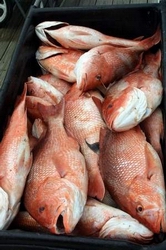 Fish fraud is off the scale, a new study shows.
A fillet of rare red snapper could really be cheap tilapia. A pricey wild-caught salmon steak from Alaska could be farmed Atlantic salmon from Chile.
Those are some of the substitutions found during a two-year investigation of seafood by the world’s largest ocean conservation group. One-third of the fish purchased in restaurants, supermarkets and sushi counters was mislabeled, the nonprofit group Oceana said in a report out Thursday.
Oceana’s volunteers collected fish samples at 674 supermarkets, restaurants and sushi counters in 21 states and found several examples of fish fraud. For instance, 87 percent of the snapper samples were not snapper. White tuna was mislabeled 59 percent of the time. Between one-third and one-fifth of the halibut, grouper, cod and Chilean sea bass tested were mislabeled.
“Honestly, it was a surprise,” said Beth Lowell, who coordinated the survey for Oceana. “Everywhere we looked for seafood fraud, we found it. It’s consistent around the country.”
At sushi restaurants, 74 percent had at least one sample come back mislabeled. At restaurants, 38 percent had at least one problem sample; in grocery stores, only 18 percent did.
Oceana wasn’t able to determine whether mislabeling occurred at the supplier, distributor or retailer. Seafood goes through many hands, so it’s easy for someone to substitute it, partly because 84 percent of seafood eaten in the U.S. is imported, said Gavin Gibbons of the National Fisheries Institute, a trade group.
There are no solid government figures on seafood substitution and fraud, said Steve Wilson, chief quality officer with National Oceanic and Atmospheric Administration’s Seafood Inspection Program.
