Current location:home page > Food Technology

Successful production of bio-diesel from catfish waste

admin2 days agoFood Technology19
Waste catfish material such as intestine, bone and fat are all used in the process of converting cat…
Waste catfish material such as intestine, bone and fat are all used in the process of converting catfish waste material into bio-diesel, reports TheSaigonTimes.

This bio-diesel is then being used to provide power for air generator system, freezing and heating of the plant.

This is part of a project set up by the Technology Research Centre of Finland's (VTT) Enerfish programme, funded by the European Commission, in order to make use of fish processing by-products, for the export and production of biodiesel.

According to VTT, fish processing by-products (mainly fatty fish) account for 10 per cent of recovered fish weight. If there is a raw material output of 1 million tons/year, the Mekong Delta would hsve over 100,000 tons of fish fat each year.

Related articles

Ramona's Mexican Food to implement CDC Software’s application suite

Through the software implementation, Ramona's also seeks to improve efficiency, reduce costs, facili…

Cherry grading technology 'more perceptive than human eye'

Cherry grading technology 'more perceptive than human eye'

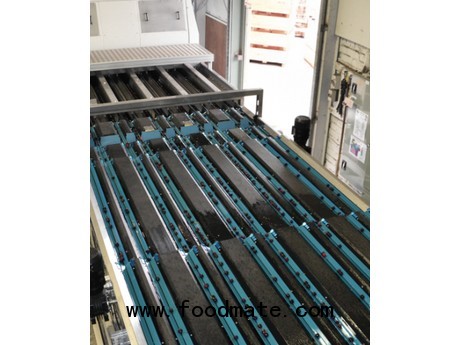
Australia's GP Graders has recently supplied a 10 lane AirJet™ Electronic Cherry Grader with Defect…

William Grant & Sons revamps packaging, size for Three Barrels brandy

William Grant & Sons has revamped its Three Barrels brandy with new packaging and new 500ml Very…

Researchers unlock key components of wheat's genetic code

Researchers unlock key components of wheat's genetic code

Scientists from the UK, Germany and the US have identified key parts of the genetic code of wheat, a…

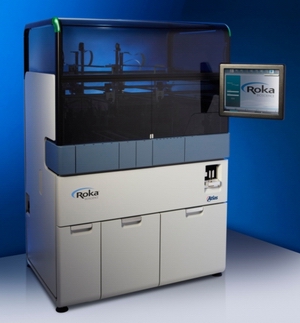
MVTL deploys Roka Bioscience's pathogen detection system

MVTL deploys Roka Bioscience's pathogen detection system

Minnesota Valley Testing Laboratories (MVTL) has deployed Roka Bioscience's Atlas System along with…

Attitudes toward organic labels depend on consumers' values

Labeling food as “organic" actually may flip the “halo" effect for ethical food labels depending on…