USDA Releases National Bioengineered Food Disclosure Standard
The U.S. Department of Agriculture’s (USDA) Agricultural Marketing Service today released the final…The U.S. Department of Agriculture’s (USDA) Agricultural Marketing Service today released the final rule on the National Bioengineered Food Disclosure Standard, introducing mandatory labeling rules for bioengineered (BE) foods and foods with BE ingredients. The rule does not provide the level of transparency IDFA and consumers were hoping for. Disclosure is not required for highly refined foods and ingredients that are derived from BE crops because they do not contain detectible levels of modified genetic material. However, the new regulations do allow for voluntary disclosure of food and ingredients that are derived from BE crops and other claims regarding BE food that are consistent with federal law.
“IDFA has consistently urged the administration to finalize a rule that is transparent to consumers, non-disparaging to biotechnology and flexible enough to allow dairy foods processors to easily understand and comply with the labeling standard. While there are positive aspects of this rule, it fell short in areas of transparency that are important to the dairy industry and to many consumers,” said Cary Frye, IDFA senior vice president of regulatory affairs.
Food companies may use one of four options for disclosure on food labels:
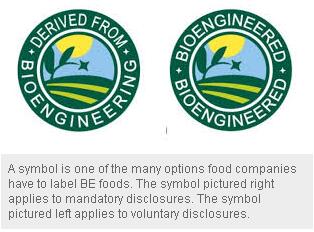
Text using the words “bioengineered food” or “bioengineered food ingredients”;
A symbol with accompanying words;
The use of electronic disclosures, such as a hyperlink or QR code, along with a telephone number to call for more food information; or
A statement offering a phone number where consumers can send a text message to get the disclosure.
Special exemptions were given for small packages, small food manufactures and food sold in bulk.
USDA set the compliance date for BE disclosure for Jan. 1, 2022. USDA originally proposed a compliance date of Jan. 1, 2020, to align with the compliance date for the Food and Drug Administration’s Nutrition Facts label updates.
“While it would be ideal to have the compliance dates for this new standard and the updates to the Nutrition Facts label to align, the delays in completing the standard would leave dairy food processors and other manufacturers with only one year to comply with the new labeling requirements,” said Frye. “We appreciate that the administration agreed to allow some additional time for compliance with the disclosure standard, allowing manufacturers to use up existing label stock and spread compliance costs over the next three years.”
Also, the rule confirms that foods from animals that consumed bioengineered feed will not be considered bioengineered food products under the rule. Therefore, products such as milk, meat and eggs from these animals will not require a disclosure statement on the label.
IDFA requested that USDA exempt vitamins and enzymes, as well as some food additives that don’t already require declaration in the ingredient statement, to align with FDA food labeling regulations and with the overturned Vermont labeling law. The rule reflects IDFA’s request for incidental additives to be exempted from disclosure if they are BE, and enzymes, such as microbial rennet, will only require disclosure if modified genetic material is present.
IDFA is currently reviewing the 239-page rule with its regulatory and genetic engineering (GE) labeling committee members and will soon provide a detailed summary to members.