No new tariffs for ‘tasteless smoke’ frozen fish
U.S. frozen seafood importers are relieved after a U.S. Customs and Border Protection (CBP) ruling d…
U.S. frozen seaf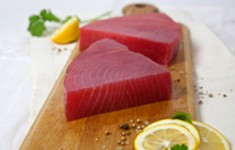 ood importers are relieved after a U.S. Customs and Border Protection (CBP) ruling did not raise tariffs on fish treated with the “tasteless smoke” process.
CBP had been considering a classification for smoked tuna and other fish treated with tasteless smoke, which would have classified them as prepared products. The re-classification would have resulted in a 12.5 percent duty on tuna and a 4 percent to 6 percent duty on other species of fish subject to similar treatments. Tasteless smoke is a process by which a super-purified smoke is introduced to the flesh of the fish, in order to change its color.
“Based on this ruling, it is fair to conclude that frozen fish treated to maintain a fresh, appealing look are unlikely to face a tariff rate hike as a result of this type of tasteless smoke treatment or similar treatments such as those employing carbon monoxide,” said Deborah Stern, attorney for Sandler, Travis & Rosenberg, PA, which represented Miami-based Sea Delight in the case that led to the ruling. “It is also likely that other seafood, meats, fruits, and vegetables will avoid CBP scrutiny for similar processes,” Stern added.
In its ruling, CBP concluded that the tasteless smoke process smoke makes the product “appear to be of higher quality,” but it does not “advance tuna so as to make it more valuable.”
“Therefore, it is CBP’s conclusion that the tasteless smoke process does not create a ‘prepared tuna’,” CBP stated.
The ruling likely applies only to frozen fish, because the tasteless smoke treatment is used to maintain color during freezing, Stern told SeafoodSource.
The tasteless smoke issue came to the attention of CBP after personnel at a port of entry noticed a reference to “tasteless smoke” during a review of Sea Delight’s imports. The importer uses a patented process to manufacture its tasteless smoke, which is a mixture of purified carbon dioxide, carbon monoxide, nitrogen, oxygen and methane.
Sea Delight had a ruling pending concerning the classification of five cuts of frozen tuna, but did not raise the issue of tasteless smoke. Once CBP raised the question of whether tasteless smoke affected classification, the matter was then elevated to its headquarters in Washington, D.C. as a “request for internal advice,” which resulted in the 29 July ruling on tasteless smoke products.
ood importers are relieved after a U.S. Customs and Border Protection (CBP) ruling did not raise tariffs on fish treated with the “tasteless smoke” process.CBP had been considering a classification for smoked tuna and other fish treated with tasteless smoke, which would have classified them as prepared products. The re-classification would have resulted in a 12.5 percent duty on tuna and a 4 percent to 6 percent duty on other species of fish subject to similar treatments. Tasteless smoke is a process by which a super-purified smoke is introduced to the flesh of the fish, in order to change its color.
“Based on this ruling, it is fair to conclude that frozen fish treated to maintain a fresh, appealing look are unlikely to face a tariff rate hike as a result of this type of tasteless smoke treatment or similar treatments such as those employing carbon monoxide,” said Deborah Stern, attorney for Sandler, Travis & Rosenberg, PA, which represented Miami-based Sea Delight in the case that led to the ruling. “It is also likely that other seafood, meats, fruits, and vegetables will avoid CBP scrutiny for similar processes,” Stern added.
In its ruling, CBP concluded that the tasteless smoke process smoke makes the product “appear to be of higher quality,” but it does not “advance tuna so as to make it more valuable.”
“Therefore, it is CBP’s conclusion that the tasteless smoke process does not create a ‘prepared tuna’,” CBP stated.
The ruling likely applies only to frozen fish, because the tasteless smoke treatment is used to maintain color during freezing, Stern told SeafoodSource.
The tasteless smoke issue came to the attention of CBP after personnel at a port of entry noticed a reference to “tasteless smoke” during a review of Sea Delight’s imports. The importer uses a patented process to manufacture its tasteless smoke, which is a mixture of purified carbon dioxide, carbon monoxide, nitrogen, oxygen and methane.
Sea Delight had a ruling pending concerning the classification of five cuts of frozen tuna, but did not raise the issue of tasteless smoke. Once CBP raised the question of whether tasteless smoke affected classification, the matter was then elevated to its headquarters in Washington, D.C. as a “request for internal advice,” which resulted in the 29 July ruling on tasteless smoke products.