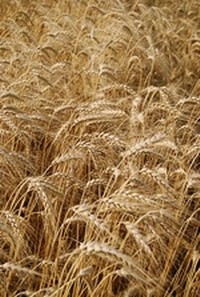
Scientists can now detect gluten in rye grain
Scientists from CSIRO, the national science agency in Australia, can now detect gluten in any food a…Scientists from CSIRO, the national science agency in Australia, can now detect gluten in any food and show which grain it comes from.
This breakthrough, they said, will make it easier for food companies to correctly label their products.
CSIRO can now detect gluten in the less documented grain, rye, completed the other three fluent grains wheat, barley and oats – which CSIRO detected specifics glutens for in 2015, 2016 and 2018 respectively.
Current commercial tests can only tell that gluten is present in a food but not the grain it’s from. The various detection kits currently available also give variable results of how much gluten is present.
“Being able to detect any protein in diverse foods and beverages will help food companies ensure that what’s in the pack is what’s on the pack, and help consumers trust pack labelling around gluten-free claims,” said Professor Michelle Colgrave, a protein analytics expert with CSIRO.
“This technology offers many applications for the food industry from helping track contamination in their raw ingredient supply chain, to improving product quality, food safety and meeting regulations.”
The researchers analysed 20 cultivars of rye from 12 countries, which they milled into flour, extracted the gluten proteins and used high resolution mass spectrometry to identify and quantify the proteins.
The analysis revealed six proteins specific to all rye varieties but that don’t appear in other grains.
Detecting gluten proteins in their original grain is relatively simple, but when they’re in food products we buy at the supermarket and have been baked, extruded or processed in other ways with other ingredients such as salt and sugar, it is a lot more complex.
The team tested a range of commercial flours, breakfast cereals and snack foods and detected the six rye proteins in all the foods that contained rye as a labelled ingredient.
They found one “gluten-free” breakfast cereal that contained trace amounts of rye, which did not appear on the ingredients list, and one sample of flour from the wheat-related grain, spelt, which was contaminated with about 2% rye.
Next steps are to validate the method’s ability to accurately quantify the level of glutens present in a food and work with the food industry and commercial testing laboratories to help commercialise the technology.