Canadian researchers develop new E.coli testing device
Medical, agricultural and computer researchers at the University of Alberta (U of A) have developed…
 Medical, agricultural and computer researchers at the University of Alberta (U of A) have developed a new device, which can rapidly detect E.coli in food.
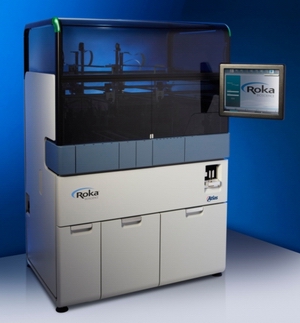
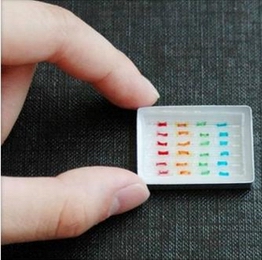
The testing device, which is the size of a large shoebox, is more sensitive at detecting E. coli strains, faster at detecting results and less expensive than other tests that are currently used, according to researchers.
The device works by making millions of copies of the genes in the meat sample to determine whether E. coli is present. The test can be easily used onsite at food processing facilities - users will have to place a sample of meat in a machine and push a button, and results will be available in less than an hour.
Study researcher Linda Pilarski said that the device is like a molecular Xerox machine.
"It's an exciting application that allows us to test for E. coli toxins and genes that allow bacteria to stick to meat," Pilarski said.
"Our work is addressing a very important public health safety issue that will make Canadians feel safer and more secure about the meat they eat and about meat processing facilities."
According to researchers, the team is building on previously developed technology at the U of A that was designed to detect pathogens of various diseases.
For this study, Linda Pilarski from the Faculty of Medicine & Dentistry and Lynn McMullen from the Faculty of Agricultural, Life and Environmental Sciences (ALES) led the U of A team fine-tuning this E. coli test, which received $500,000 in funding from Genome Alberta and its partners this week.
Their U of A colleagues include Michael Gänzle from ALES and Faculty of Science researcher Patrick Pilarski from the Alberta Innovates Centre for Machine Learning. Xianqin Yang will collaborate from the Lacombe Research Centre operated by Agriculture and Agri-Food Canada in central Alberta.
McMullen said that with a quick test that can be done in the processing facility without highly trained microbiology technical expertise, industry will have a tool to make rapid decisions on the safety of their products.