U.S. Imports Fish From China Raised on Human and Animal Waste
In a shocking development reported in the Vancouver Sun, Michael Doyle, a microbiologist with the Un…
In a shocking development reported in the Vancouver Sun, Michael Doyle, a microbiologist with the University of Georgia, made a stunning disclosure in a keynote address at the general meeting of the American Society for Microbiology (ASM) in New Orleans.
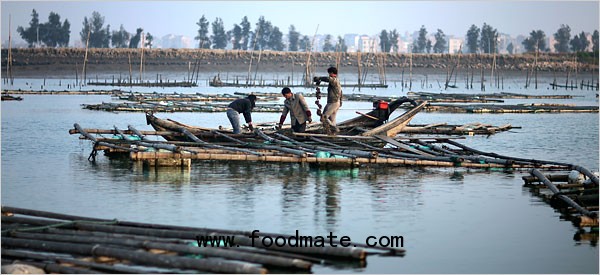
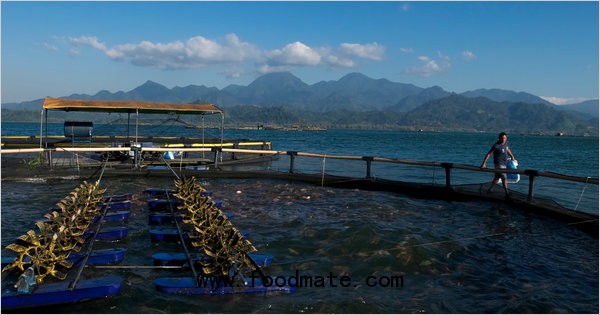
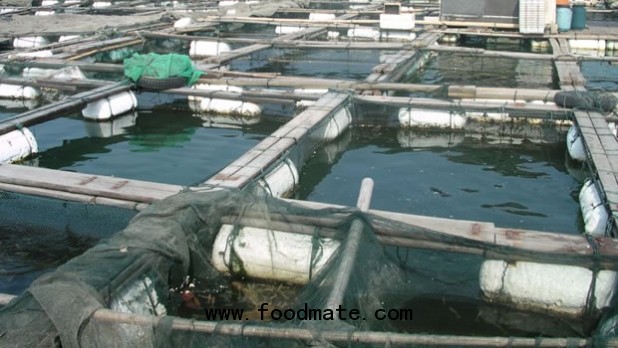
Doyle said food producers in China regularly use untreated human and animal waste for feeding farmed fish meant for eating and for fertilizing land to grow produce. “[Feces] is the primary nutrient for growing the tilapia [in China],” he said.
Doyle said companies importing food from overseas, and those with production operations there, should be held responsible for the quality of food making it to western markets.
“If companies are going to go to these countries and obtain ingredients and finished product, then it’s incumbent on these companies to ensure they have boots on the ground and have appropriate oversight of the food that’s being produced or processed,” he said.
Doyle said legislation passed in the U.S. late last year is suppose to ensure companies establish appropriate oversight, but the FDA has done nothing to effectively implement the new law.
According to the Sun, the American Society for Microbiology reports that more than 80 per cent of the fish and seafood consumed in the U.S. is imported — much of it from Asia.
Most of the cases of contamination involving imported food in the U.S. are related to exposure to fecal matter. ASM claimed in Thailand, chicken coops with as many as 20,000 birds are often suspended in rows above ponds used for farming shrimp and fish. The sea life feeds on the chicken waste that falls in the water.
Using animal waste for feed is not isolated to China. There are also reports that U.S. cattle are fattened on chicken manure, as well as the remnants from a process known as “rendering”.
Rendering converts animal carcasses — tissue, bones, internal organs, hooves, blood, feathers, and hair, — into dry meat by-products that are sold as animal feed.
Modern rendering today involves tossing animal carcasses into huge steam jacketed vessels; the carcasses are then ground, and cooked at temperatures of between 220 degrees and 270 degrees for twenty minutes to an hour to release fat and moisture.
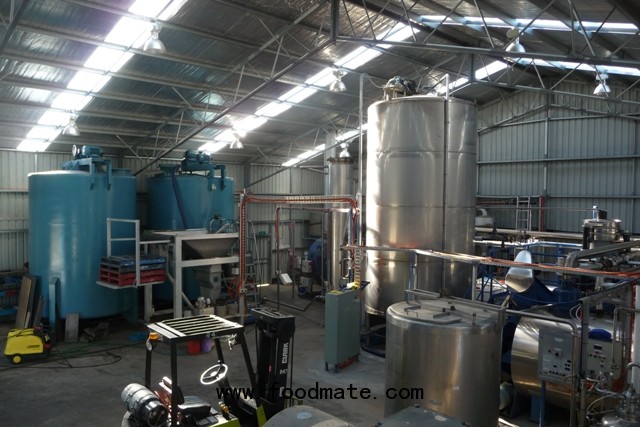
The tallow is removed and is the source of animal fat in most pet foods; the rest is percolated until fat is pressed out of the solids into “dry-rendered tankage”. The resulting product is ground further and then separated into fat, water and fine solids by stages of centrifuging. The solids are pressed and dried and made into animal feed, commonly known as meat by-products and bone meal.
In 1997, animal-feed manufacturers and farmers experimented with dehydrated food garbage — fats emptied from restaurant fryers and grease traps, cement-kiln dust, newsprint and cardboard derived from plant cellulose, and even human sewage sludge to use for animal feed.