First-time parents most likely to buy the baby food packaged, Australian findings
Around 1.5 million Australians have babies, and 1 in 5 of these parents bought baby food in the last…Around 1.5 million Australians have babies, and 1 in 5 of these parents bought baby food in the last four weeks, new retail data shows.
Over the past two years, Roy Morgan Research spoke to almost 2000 parents across Australia with children from age zero to two in the home. Most parents of babies are 25-34 years old, another third are 35 or older, while just 7% are 24 and below.
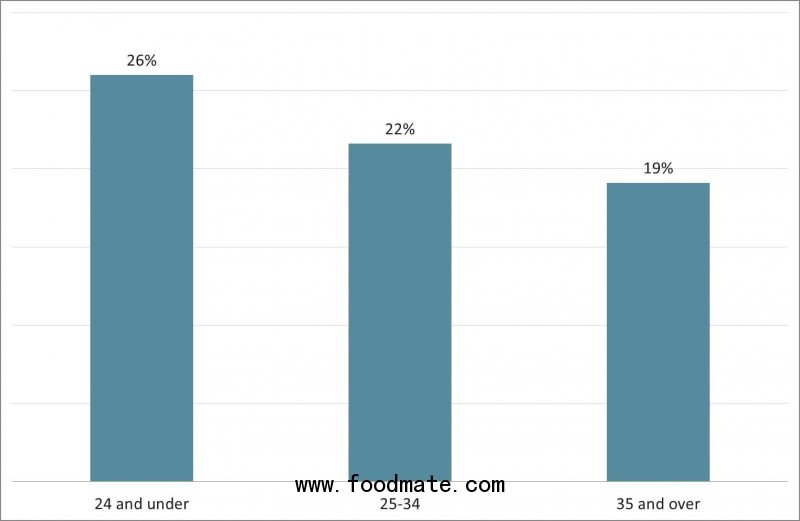
This youngest group of parents are more likely to buy (and presumably also feed their new additions) baby food: 26% of parents aged 24 and under buy baby food in an average four-week period, compared with 22% of 25-34 year-olds and just 19% of those 35 and over.
% of parents (by age group) with children 0-2 who buy baby food:
Of course, younger parents are less likely than older ones to already have other children. Consequently, first-born babies are the most likely to be dining from a tin, jar or pouch, with 25% of their parents buying baby food in an average four weeks.
“There are of course correlations between how old parents are and whether they’re on baby number one, two, three or more,” said Norman Morris, Industry Communications Director, Roy Morgan Research. “However our on-going national Single Source survey allows us to dig deeper into the total pool of parents, avoiding over-generalisations that can end up misidentifying or misunderstanding the target markets.”
“People having their first child at 40 will often make very different parenting and purchasing choices those having their baby at 20—or those having their third at 40!,” said Morris.
“With many Australians deferring baby-making until later in life, the very idea of an ‘average parent’ is changing and fragmenting. Manufacturers and retailers of baby products, from food and milk formula to clothes and furniture, as well as childcare providers, large employers and Government agencies, need to make sure they fully understand and keep track of parenting.”
“There are of course correlations between how old parents are and whether they’re on baby number one, two, three or more,” said Norman Morris, Industry Communications Director, Roy Morgan Research. “However our on-going national Single Source survey allows us to dig deeper into the total pool of parents, avoiding over-generalisations that can end up misidentifying or misunderstanding the target markets.”
“People having their first child at 40 will often make very different parenting and purchasing choices those having their baby at 20—or those having their third at 40!,” said Morris.
“With many Australians deferring baby-making until later in life, the very idea of an ‘average parent’ is changing and fragmenting. Manufacturers and retailers of baby products, from food and milk formula to clothes and furniture, as well as childcare providers, large employers and Government agencies, need to make sure they fully understand and keep track of parenting.”