Manuka honey health finding substantiated, UTS research
Medical-grade manuka honey, also known as Medihoney, can improve both the effectiveness of antibioti…
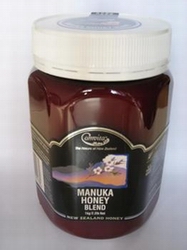 Medical-grade manuka honey, also known as Medihoney, can improve both the effectiveness of antibiotics and prevent the emergence of resistance to them, according to new findings by researchers at the University of Technology Sydney (UTS).
UTS says the findings suggest it could be a “new weapon in the fight against drug-resistant bacteria such as the superbug MRSA (golden staph).”
The new research, published 1 March 2013 in the open-access science journal PLOS ONE, demonstrates the benefits of using Medihoney in combination with the antibiotic rifampicin to treat skin and chronic wound infections, according to UTS Professor Liz Harry.
“Our ground-breaking research shows that the combination of this medical grade honey with rifampicin is actually more than additive – it is synergistic,” Professor Harry said.
Researchers at UTS have previously shown the value of New Zealand manuka honey, which is known to have potent broad-spectrum antibacterial activity, in treating infected chronic wounds and serious skin infections.
But Professor Harry claims that this research, which shows the effectiveness of using antibiotics and honey together, also offers an exciting new avenue to help curb the emergence of antibiotic-resistant strains of bacteria that are a fast growing problem for the medical community.
“We and others have shown that bacteria do not become resistant to honey in the laboratory. Consistent with these facts, we also found that if MRSA were treated with just rifampicin, the superbug became resistant very quickly,” said Professor Harry.
“However when Medihoney and rifampicin are used in combination to treat MRSA rifampicin-resistant MRSA did not emerge. In other words, honey somehow prevents the emergence of rifampicin-resistant MRSA – this is a hugely important finding,” she said.
Rifampicin is often the first drug of choice for health workers treating chronic wound infections. However, bacteria that are resistant to this drug easily arise, so it is always used in combination with other antibiotics to reduce or slow down resistance. Professor Harry says this research could reduce the use of antibiotics overall in treatment of infection.
Previously, honey has been seen as an ‘alternative’ medical approach.
“Our research provides solid scientific evidence for the use of honey as a first choice option in the treatment of chronic wounds,” said Professor Harry.
Manuka has several properties that make it particularly valuable as a treatment for chronic wounds, according to the University. The honey has high levels of methylglyoxal (MGO) and an ability to inhibit the growth of a wide range of bacteria and hydrogen peroxide. For this reason it is currently the primary honey used in registered medical devices for wound care.
The research, conducted at the ithree institute at UTS in collaboration with New Zealand natural health company Comvita that makes Medihoney and the School of Molecular Bioscience University of Sydney, has implications for the way manuka honey can be used in future medical and hospital practice.
This is not the first time that manuka honey has made health news. Just over a year ago, Australian Food News reported the launch of a health product with manuka honey into the Australian health food market.