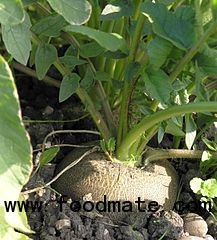
Research shows great promise for millet grains
Climate change, water scarcity, increasing world population, and rising food prices are only some of…Climate change, water scarcity, increasing world population, and rising food prices are only some of the socioeconomic factors that threaten agriculture and food security worldwide, especially for disadvantaged populations that live in arid and sub-arid regions.
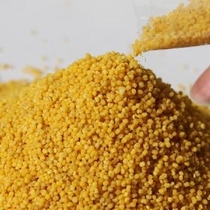
In the May issue of Comprehensive Reviews in Food Science and Food Safety, published by the Institute of Food Technologists (IFT), researchers looked into how millet grains serve as a major food component for millions of people in these countries, as well as for people with special diet needs and those seeking foods high in nutrients.
As an important drought-resistant crop, millet is widely grown in Africa and parts of Asia and contributes a wide range of health benefits as well as a major source of carbohydrates and proteins for people living in those areas. Millet is also resistant to pests and diseases, has a short growing season, and high productivity under drought conditions compared to other major cereal grains.
In addition, millet’s importance as an ingredient in multigrain and gluten-free cereal products, breads, porridges, and snack foods are becoming a more popular commodity in North America and Europe, especially for those who suffer from Celiac disease.
Millet grains contain many health promoting components such as high contents of essential amino acids, unsaturated fatty acids, minerals such as phosphorus, potassium, magnesium, calcium, iron, and zinc, and vitamin B. Nutrient contents in millet grains were comparable with those of common consumed grains such as wheat, corn, and rice, which makes them suitable for large scale utilization in the preparation of several value-added and health food-products.
Several research studies show that diets rich in cereal grains, such as millet, can be protective against several degenerative diseases such as cancer, cardiovascular disease, diabetes, and metabolic syndrome. Millet grains are reported as having major anti-diabetic and antioxidant components that can be used in preparing various food products for diabetics. It has also been reported that consuming sorghum and millet lowers the incidence of esophageal cancer compared to those consuming other grains. Because they can be used as a natural source of antioxidants in food applications, millets make a great nutraceutical and functional food ingredient in health promotion and disease risk reduction.