Fish sold in New York is routinely mislabeled: study
Nearly three in five New York City grocery stores and restaurants that sell seafood have mislabeled…Nearly three in five New York City grocery stores and restaurants that sell seafood have mislabeled part of their stock, substituting varieties that could cause health problems, according to a new study.
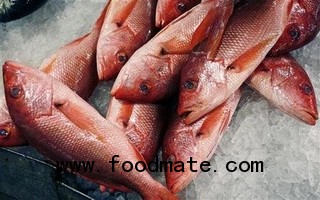
Some 39 percent of the fish obtained for the study by the ocean conservation group Oceana was inaccurately identified, Oceana said. Sometimes cheap fish is substituted for more expensive varieties or plentiful species for scarce ones.
Forensic DNA analysis revealed 58 percent of 81 New York retailers and eateries sampled incorrectly labeled the seafood they sold, according to the study released Tuesday.
"It's unacceptable that New York seafood lovers are being duped more than one-third of the time when purchasing certain types of fish," Kimberly Warner, a senior scientist at Oceana and an author of the study, said in a news release.
In some instances, consumers unknowingly purchased fish that could pose health risks.
Blueline tilefish masqueraded as halibut and red snapper. The FDA urges pregnant women, nursing mothers and small children to avoid tilefish given its high mercury content.
All but one of the 17 white tuna samples obtained from sushi restaurants turned out to be escolar, a fish whose diarrhea-inducing properties earned it the nickname the "ex-lax fish."
Mislabeled seafood can present a public health concern because many hazards are species specific, a U.S. Food and Drug Administration (FDA) spokeswoman said in an email. Allergic reactions and food-borne illnesses are some of the possible health hazards, the spokeswoman said.
New York's rate of seafood mislabeling was higher than Miami's (31 percent) but lower than that of Boston (48 percent) and Los Angeles (55 percent), according to recent Oceana investigations.
What distinguishes New York's seafood marketplace from those of the other American cities Oceana tested is the presence of smaller, independent food stores, 40 percent of which sold mislabeled fish, Warner said in an interview. In contrast, only 12 percent of seafood bought at national chain grocery stores in New York were labeled incorrectly.
The problem is not new. A study appearing in a 1992 issue of Consumer Reports found about a third of the seafood sampled in New York, Chicago, and San Jose was incorrectly labeled.
Nor is seafood mislabeling an issue that has gone unreported. The discovery in August 2011 that Zabar's, a gourmet food store on Manhattan, had been passing off crawfish as lobster in its lobster salad for at least 15 years was the subject of multiple, high-profile media stories.